Ask a roofer how long a roof lasts and the honest answer starts with a question: where is it? A roof in Island Park lives a harder life than the same roof fifty miles inland. Salt air, wind straight off the water, wet winters that freeze and thaw a dozen times, and summers that bake the south face all take years off the number printed on the shingle wrapper.
What a Long Island roof is up against
Three things age a roof here faster than the brochure expects.
- Wind. Nor'easters and the tail ends of hurricanes lift shingle edges, break the seal strip and work nails loose. Once an edge is up, every storm after it does a little more.
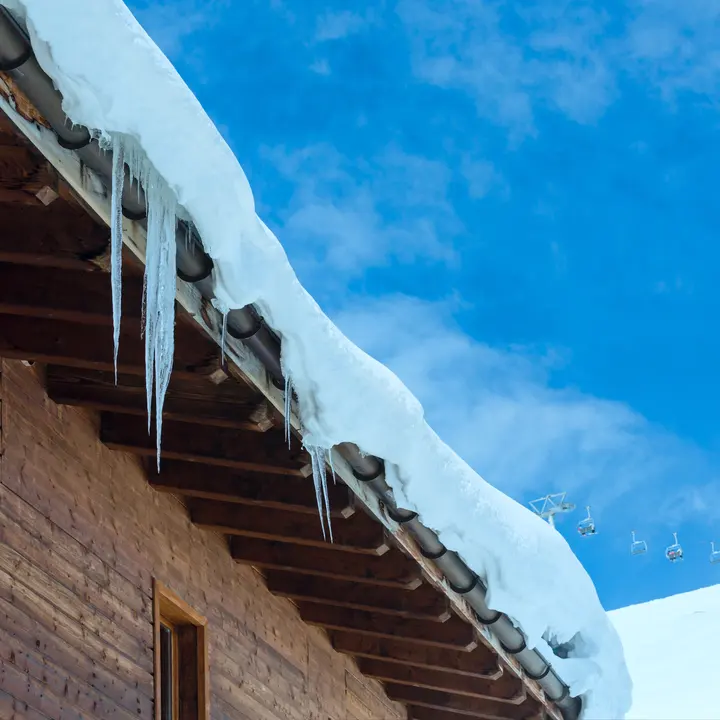
- Freeze and thaw. Water finds a hairline gap, freezes, widens it, melts and goes deeper. Over twenty winters that is how a sound roof becomes a leaking one without any single event you could point to.
- Sun. The south and west slopes take the ultraviolet all afternoon. Asphalt dries out, loses its granules and goes brittle on those faces years before the north side shows a thing.
Typical lifespans, with the caveats
These are the ranges we see on Long Island roofs that were installed properly and vented properly. A roof that was neither will not reach the low end.
- Three-tab asphalt shingles: roughly 15 to 20 years. The thinnest, lightest shingle, and the first to show its age on a windy coast.
- Architectural (dimensional) shingles: roughly 22 to 30 years. Thicker, heavier and better sealed, which is why they are what most homeowners choose now.
- Flat roofs (TPO or EPDM): roughly 20 to 30 years, with the seams and the drains being what decides it.
- Metal: 40 to 60 years, provided the fasteners and the finish hold up to the salt.
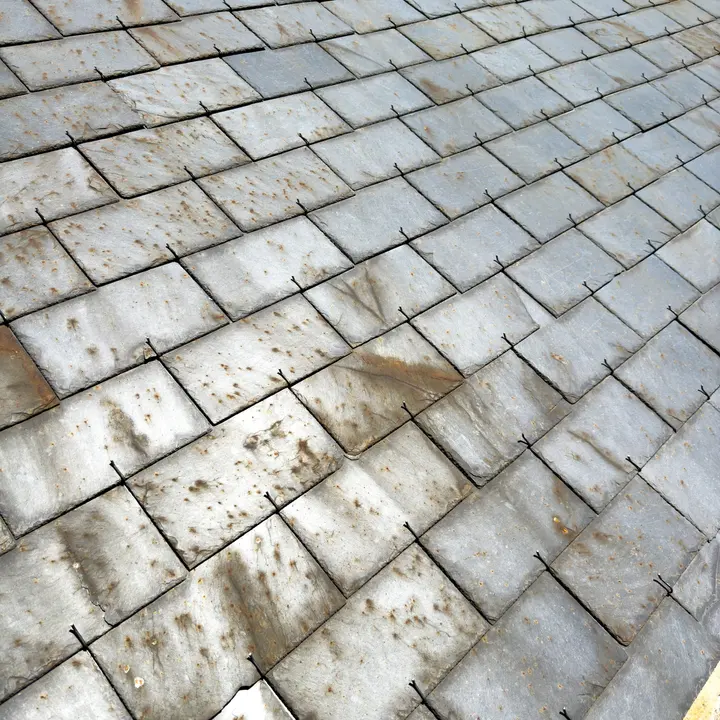
- Natural slate: a century or more. The slate outlives the nails and the flashing, which is why old slate roofs are repaired rather than replaced.
Manufacturer warranties, which typically run from 10 years to lifetime, are a guide to what the maker expects of the material. They are not a promise about the roof as a whole, because the roof as a whole also depends on the deck underneath, the ventilation in the attic and the person who nailed it down.
What shortens the number
Poor attic ventilation is the quiet killer. A hot attic cooks the shingles from underneath; a damp one rots the deck. A roof installed over an old layer of shingles, which code allows once, traps heat and hides the deck, and rarely lasts as long as a tear-off. Trees that shade a slope keep it damp and grow moss, which lifts the granules. And a gutter that overflows soaks the roof edge every time it rains.
Signs you are nearer the end than the middle
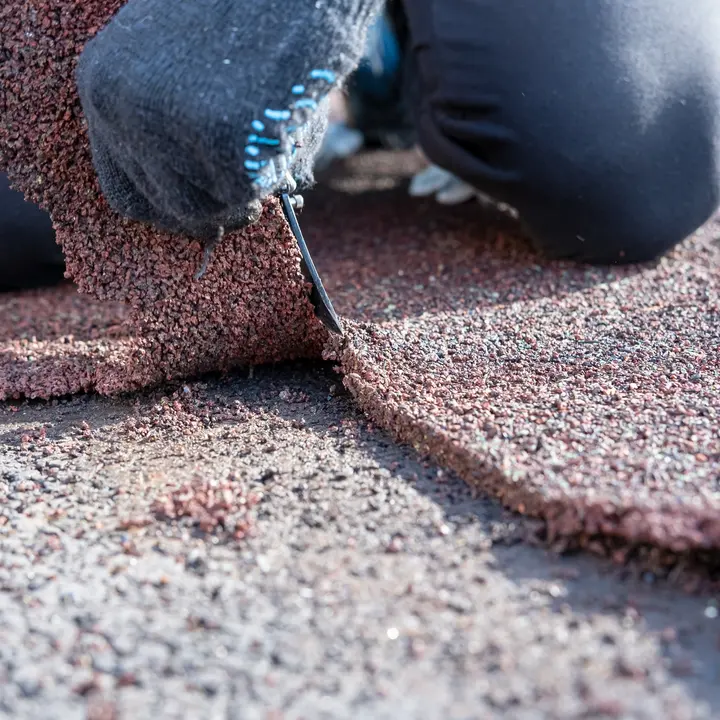
Granules collecting in the gutters and at the bottom of the downspouts. Shingles that curl at the edges or cup in the middle. Bald, shiny patches on the south slope. A ridge line that is no longer straight. Any daylight visible from inside the attic. If the roof is past fifteen and you are seeing two or three of these, it is worth a look before the winter rather than after it.
What to do about it
A roof inspection is free and tells you where you stand. If it is sound, we say so. If it has a few years left and a repair buys them, we price the repair. If it is time, we explain why and give you an estimate, usually the same day. Most new residential roofs on Long Island are finished in three to five days, and ours carry the manufacturer's warranty plus our own three years on workmanship.