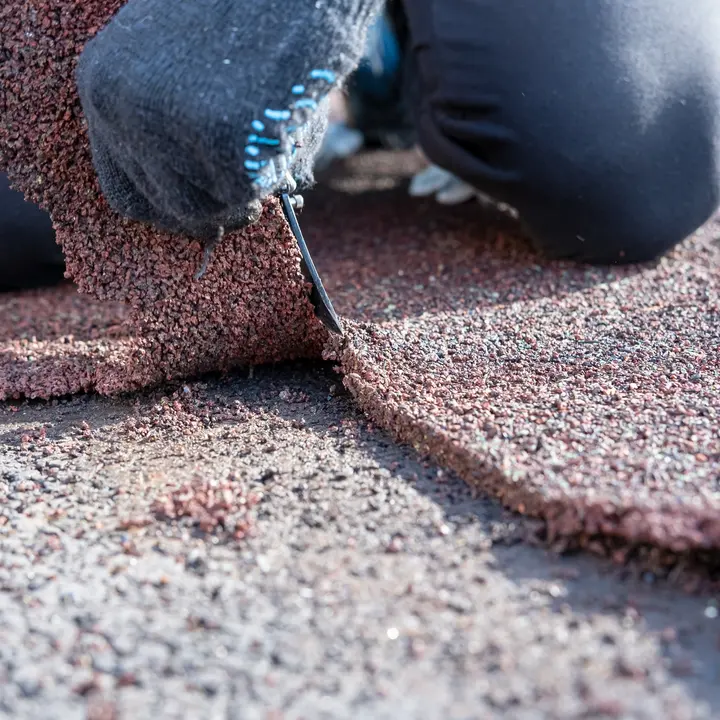
Nobody wants to replace a roof, and most people wait longer than they should. The trouble is that a roof fails quietly for years before it fails loudly, and by the time there is a stain on the bedroom ceiling the deck underneath may have been wet for a long while. Here are the signs that mean a roof is done, and a word on which ones a repair can still handle.
1. Shingles curling, cupping or clawing
Shingles that lift at the edges (curling) or dish in the middle (cupping) have lost the oils that kept them flexible. They will not reseal, they catch wind, and they break when walked on. A few on one slope can be replaced. A whole slope of them is a roof at the end of its life.
2. Granules in the gutters
The gritty surface on an asphalt shingle is its sunscreen. When you clean the gutters and find a layer of sand at the bottom, that sunscreen is washing off. A new roof sheds a little in its first year; an old one sheds it steadily until the shingle underneath is bare and brittle.
3. Bald or shiny patches
Stand across the street on a bright day and look at the south and west slopes. Dark, shiny patches where the granules are gone are where the sun now reaches the asphalt directly. Those areas go first, and they go fast once they start.
4. Missing shingles after every storm
Losing one shingle in a hurricane is weather. Losing a few after every ordinary nor'easter means the seal strips have failed across the roof and every tab is loose. Replacing them one storm at a time costs more over two seasons than it looks like it does, and the roof is still failing between visits.
5. A sagging ridge or a wavy slope
A roof line should be straight. A dip in the ridge or a wave in a slope means the deck or the framing under it has softened, usually from a long-running leak. This is not a shingle problem any more; it is a structural one, and it gets more expensive the longer it sits.
6. Daylight, or damp, in the attic
Go up on a sunny day and turn the light off. Pinpricks of daylight through the deck mean water gets through too. Dark streaks on the underside of the deck, rusty nail tips, or insulation that is matted and discolored all say the same thing from the inside.
7. The roof is simply old
A three-tab roof past 18 years or an architectural roof past 25 on Long Island is living on borrowed time whatever it looks like from the ground. Replacing it on your schedule, in good weather, beats replacing it in January with a tarp on the house.
What a repair can still handle
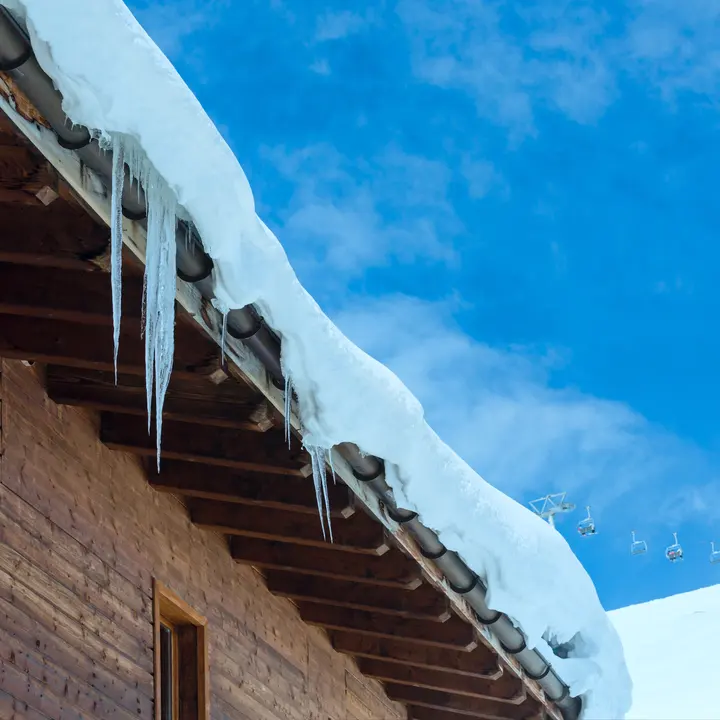
A single leak at a chimney, a vent or a valley is almost always a flashing problem and almost always repairable. A handful of damaged shingles on an otherwise sound roof is a repair. Ice dam damage along one eave on a roof with years left is a repair. The difference is whether the failure is local or everywhere.
The honest next step
We look at the roof in person, for free, and tell you which it is. Where a repair buys real time, we say so and price it. Where it is time, we give you a number, usually the same day, and most residential roofs are done in three to five days.